
Contractor Center
Welcome to the Contractor Center for the Oregon home energy rebate programs. Here you’ll find the latest program updates, along with training and project support resources.
Contractor enrollment is now open!
Most eligible projects must be completed by contractors who are enrolled and trained in the program to receive a rebate. Contractors who want to deliver incentives to customers must register and complete training requirements.
We expect these programs to drive demand for home energy upgrades. Don’t miss the opportunity to participate and grow your business.
Access additional program information, contractor resources, and training:
Why Enroll?
Contractors must be enrolled to participate in the program. Additionally, becoming an Enrolled Contractor is a great way to stay ahead of industry trends and support market transformation as new, more efficient technologies become available. Additionally, by participating the program you can:
Grow your business through referrals for program-eligible projects.
Receive access to specialized training in energy efficient systems and equipment installation practices.
Help Oregonians -- especially those with limited resources -- improve energy efficiency, affordability, and comfort in their homes.
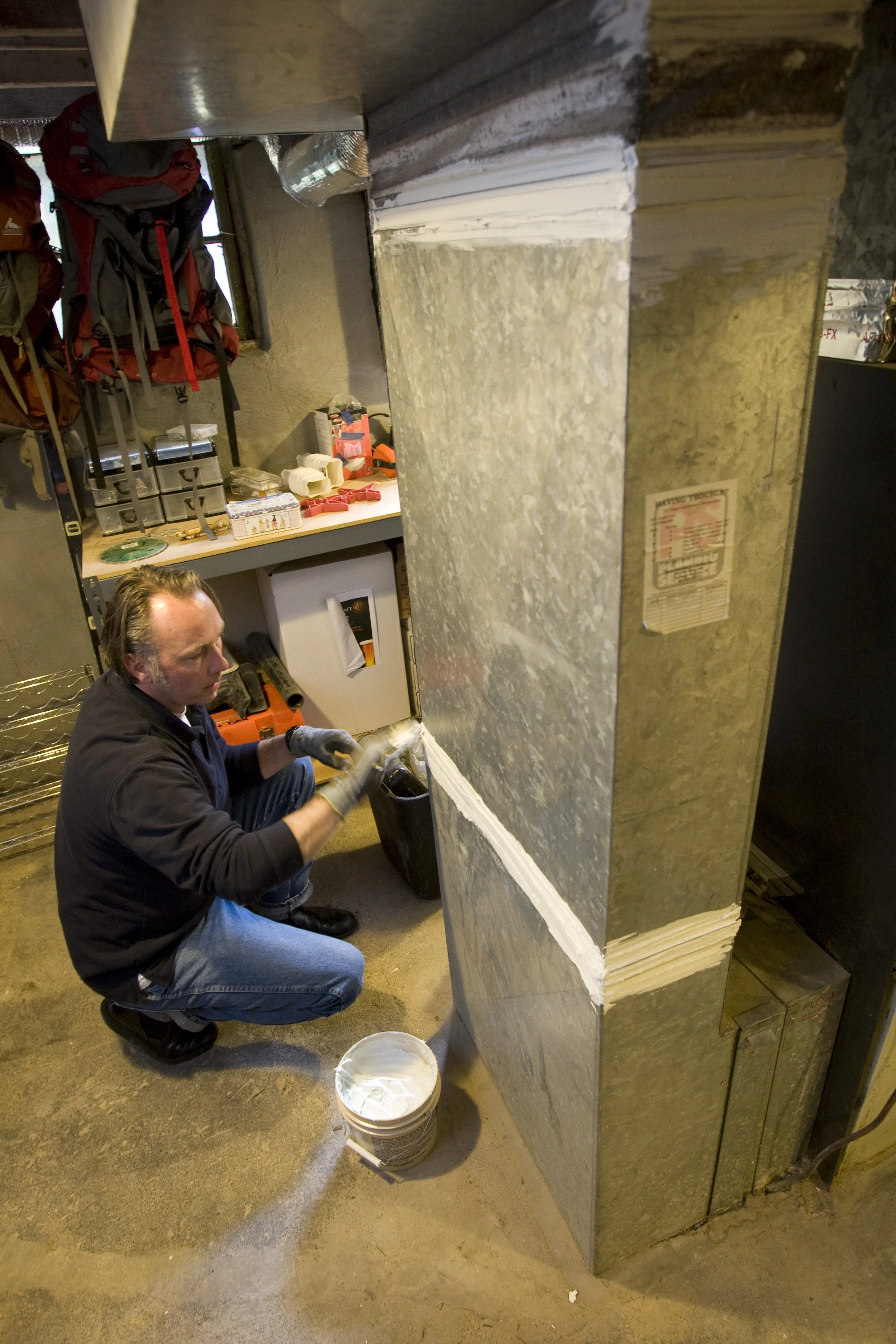
Image Courtesy of Energy Trust of Oregon
Participation Pathways
The home energy rebate programs offer three different participation pathways. Contractors may choose to participate in one or more pathways based on their services and qualifications.
Installer
Focuses on completing quality installations in accordance with program guidelines. Installers are responsible for executing approved energy efficiency and electrification upgrades and submitting required documentation.
Home energy assessor
Conducts in-home energy assessments and generates Home Energy Scores. Home Energy Assessors work closely with energy modelers and installers to support project eligibility and ensure accurate assessment data. Home Energy Assessors must hold a BPI Building Science Principles credential to enroll in the program.
Energy modeler
Performs energy modeling using BPI-2400-compliant software to estimate energy savings and support HOMES project proposals. Energy modelers collaborate closely with Home Energy Assessors to define project scope and verify performance outcomes for HOMES projects.
Requirements
To enroll, contractors must:
Maintain a current Oregon Construction Contractor’s Board (CCB) license (installers) or Home Energy Assessor Certificate (assessors and modelers)
Complete program orientation and technology-specific trainings
Meet minimum insurance requirements
Provide other credentials as needed
Frequently Asked Questions
-
Contractor enrollment is open. Begin the enrollment process. Contractors must complete all required training before initiating projects through the program.
Most projects must be completed by contractors enrolled and trained in the program to receive a rebate (only limited HEAR projects may be completed by the building owner without a program-Enrolled Contractor). Registering now and completing the required program trainings early means contractors will be ready to begin working on rebate applications with customers when applications open.
Rebate applications for owner- and tenant-occupied single-family properties will open once ODOE receives U.S. DOE approval to launch – a requirement of the federal grant. We expect to launch two additional phases to follow in 2027: Rebate applications for multifamily properties, and Home Electrification and Appliance Rebate Program coupons for the purchase of a qualifying appliance at participating retail locations across the state.
Sign up to receive program updates.
-
There is not currently a deadline to enroll in the program, and contractors will be able to enroll on a rolling basis. However, all required training must be completed before initiating projects through the program. We encourage contractors to enroll now so they are ready to begin working with customers when applications open.
-
Yes. All contractors who will perform installations, home assessments, or energy modeling for program-eligible projects must enroll and complete training specific to their role.
-
Yes, you may add participation pathways at any time. However, each pathway has specific training requirements that must be completed before work can begin. Contact your program representatives for assistance modifying your participation pathways.
-
We anticipate it to take 6-8 hours to complete required training.
-
Anyone who will perform installations, home assessments, or energy modeling for program-eligible projects must enroll and complete training specific to their role.
For community-based organizations, staff who are supporting program participation but not performing installation, assessment, or modeling work, will need to be trained to use our rebate management system.
-
All enrolled contractors will be required to complete a program orientation and technology trainings that will cover all program processes and requirements. Additional trainings may be required depending on participation pathway.
If you need further support at any point, you can reach out to the implementer overseeing the project you’re working on. Energy Trust is implementing projects areas served by PGE and Pacific Power and Earth Advantage is implementing projects in consumer-owned and Idaho Power districts.
-
The Home Efficiency Rebates Program (also known as HOMES) will provide performance-based rebates for energy efficiency upgrades in existing single-family and multifamily homes. Example upgrades include installing more efficient equipment such as heat pumps, weatherization measures like insulation or air sealing, smart thermostats, and more. To qualify for a rebate, each HOMES applicant must complete a home energy assessment with model that demonstrates a projected minimum of 20 percent energy savings, based on the home, project, and historical energy use.
The Home Electrification and Appliance Rebates Program (also known as HEAR) will provide rebates to low- and moderate-income households to install specific eligible high-efficiency electric appliances and associated upgrades, including heat pump water heaters; heat pumps for space heating and cooling; electric heat pump clothes dryers; electric stove, cooktop, range, or oven; electric load service centers; insulation, air sealing, and ventilation; and electric wiring.
The program manual and contractor trainings will detail all eligible equipment and upgrades.
-
Yes. Projects may stack HOMES and HEAR rebates, up to the program maximums, so long as they are not applied to the same upgrades. A project that includes weatherization and a new heat pump, for example, may be able to leverage HOMES for the weatherization and HEAR for the heat pump. The program manual and contractor trainings will detail all eligible equipment and upgrades.
-
Yes, HOMES and HEAR rebates may be combined with incentives from utilities and other entities. However, funding received must not exceed the total project cost after any other rebates or incentives are applied.
-
Maybe. Federal guidance allows retroactive rebates for HOMES projects completed after August 16, 2022, and before the program launches. However, any projects seeking a retroactive rebate must still meet all program requirements. Most notably:
The program requires that a certified Home Energy Score (or the program-approved equivalent) must be conducted by a program-approved assessor on the pre-installation condition of the home. Projects will not qualify if a qualifying assessment was not completed, if a qualifying assessment was completed post-installation, or if the assessment was completed by an assessor who is not enrolled in the program at the time of rebate application.
All HOMES projects must create and submit an energy savings model that demonstrates the project can meet a minimum amount of energy savings to qualify.
HEAR rebates are not available retroactively.
-
Area Median Income is established by the U.S. Department of Housing and Urban Development for the most recent tax year, and the limits are established according to county and household size. Use the income table to determine if your customer’s income is considered low-income or moderate-income.
A low-income household earns less than 80 percent of the area median income.
A moderate-income household earns at least 80 percent and less than 150 percent of the area median income. Higher-income households earn more than 150 percent of the area median income.
For multifamily buildings to qualify for the low-income rebate levels, at least 50 percent of households must meet the above low-income criteria.
Access training resources, program guides, and more on the contractor resources page.